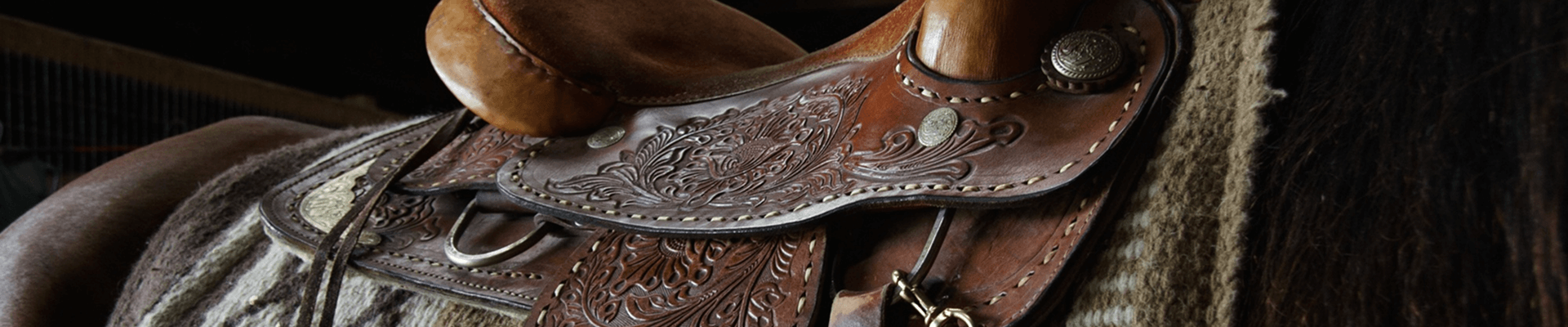
The Real Deal vs. A Fake:
A true leather belt is more than just something to hold your pants up. It’s a long-term partner. It actually improves the more you wear it, shaping itself to fit you perfectly and gaining its own story. For a guy who values his style and his wallet, buying one good leather belt is a smart, single purchase. It keeps you looking polished and saves you from the yearly trip to buy yet another cheap one that falls apart.
What This Guide Does:
This guide will skip the confusing marketing terms and just show you, in plain language, how to find a fantastic belt that you might still be wearing years from now.
Part 1: The “Genuine Leather” Trap
That “Genuine Leather” label on a tag? It sounds like a promise of quality. In reality, it’s more of a trick. In the leather world, “Genuine Leather” is a basic term. It means the belt is made from real animal hide, but that hide has been processed, sanded, and covered with a coating to make it look perfect and uniform.
If you want a belt that becomes a lifelong favourite, look for these words instead:
Full-Grain Leather: This is the champion of leathers. It’s the strongest part. Think of it like sturdy, weathered wood. The magic? As you wear it, it develops a beautiful, rich glow called a patina. The more you wear it, the better it looks. A full-grain leather belt can easily last 20-30 years.
Top-Grain Leather: This is the excellent runner-up. They lightly sand the top layer to remove the natural scars and marks, making it smoother and more consistent-looking. It’s very durable and long-lasting, just a touch less rugged than full-grain.
Why should you care? India’s weather is tough—super humid in the monsoons and dry in the summers. High-quality leather (like full or top-grain) can “breathe” and handle these changes. Cheap “bonded leather” (which is like leather dust glued together) or plastic belts will quickly crack and fade, forcing you to buy another one.
It’s Worth the Splurge:
Putting in a little extra money upfront is an investment that pays off. In the long run, you will save time, money and frustration by not having to purchase replacement parts.
Part 2: Spotting a Good Belt in 5 Minutes
There are no special skills required to complete these checks. Spend a couple of minutes prior to purchasing your belt, performing the following steps:
1. Trust Your Senses:
Look for Flaws (the good kind!): Top-notch leather is never flawless. Look for natural marks, tiny pores, and subtle differences in shade. Those “imperfections” are actually the sign it’s authentic, not a plastic imitation.
Test by Bending: Take the belt and gently bend it between both of your hands. High-quality leather will fold and naturally wrinkle, just like skin, as you bend it. If the leather feels hard or resists bending or folding with defined, stiff creases, then that piece of leather is probably of poor quality or a fake.
Inspect from the Side: Examine the thin edge of the belt. A well-made belt has a neat, smooth, and polished edge. If the edge looks rough, fuzzy, or like it’s made of glued-together layers, put it back.
2. The Buckle & Stitching: Where Most Belts Fail
The buckle goes through daily stress. In India, where we use things hard, this is crucial.
Weight Matters: Pick up the buckle. It should feel solid and have some weight to it. For the buckle itself:
Stay away from flimsy, bright, or very shiny buckles. That pretty surface can scrape off quickly, showing the cheap material it’s hiding. Instead, look for buckles made from solid, hefty metals like brass, stainless steel, or sturdy zinc alloy.
For how it’s connected:
Don’t just look at the buckle—look at how it’s stuck to the strap or belt. The strongest, longest-lasting way is with small metal screws or rivets. These are much better than just glue or weak stitching. These can be tightened or repaired if they come loose. Belts where the buckle is just stitched or glued on are more likely to break.
Don’t Forget the Small Loop: About that small leather keeper loop:
The part of your belt that keeps the excess strap in place should be made of the same strong leather as the belt.”
You can tell a lot about the quality of a belt from the stitching. You want straight, neat rows of tight stitches on the edges of the belt. If the finish looks uneven, loose, or wavy, the belt has been produced haphazardly without much attention to detail.
Part 3: Finding Your Perfect Performance Belt
You can’t simply try out any performance belt. What you need really depends on your daily life here in India. You need to think about your clothes and the weather.
Formal Clothes (Office / Weddings): (1.5” Wide) Slim, Dressy Belt with a Clean Buckle in Either Black or Brown.
Casual Clothes (Jeans / Chinos): Wear a Material Used to Make A Belt with a More Fun Texture/Style: (Tan / Brown / Cognac).
Casual Wear (Jeans / Casual Pants) Use a Belt that Is Wider and Bulkier, With A Clean Rugged-looking Buckle That Complements Your Ensemble.
Traditional Wear (Kurtas) Keep it Simple: A Slim Vanilla …. Leather Belt or A Classic Woven Leather Belt. Your Goal Here Is To Make Sure Your Belt Does Not Draw Attention From Your Kurtas.
Taking Care of It in Our Climate:
Moisturize It: Indian weather can really dry out leather and make it crack. A couple of times a year, give your belt a little massage with a leather conditioner (like mink oil) to keep it soft and strong.
Don’t Overwear It: Just like shoes, belts need a break. Wearing the same one every single day will make it wear out much faster. Try to rotate between a couple if you can.If you can, rotate between 2-3 belts. This gives each one time to rest and retain its shape.

More Articles & Posts
-

They Left Too Soon — A Tribute by Roomykart
At Roomykart, we spend a lot of time thinking about…
-
Men’s leather belt, youth, leather accessories,
One of the best leather belts, suitable for Any Occasion…
-
Stitch in Time: The Men’s leather Belt Built for a Lifetime, Not Just an Outfit, More Than Just an Accessory
In a man’s leather wardrobe, few items carry the quiet…
Leave a Reply